Going Solar in the Philippines: What You Need to Know First?
Thinking about going solar in the Philippines? Here's everything Filipino homeowners need to know before making the switch costs, savings, process, and more.
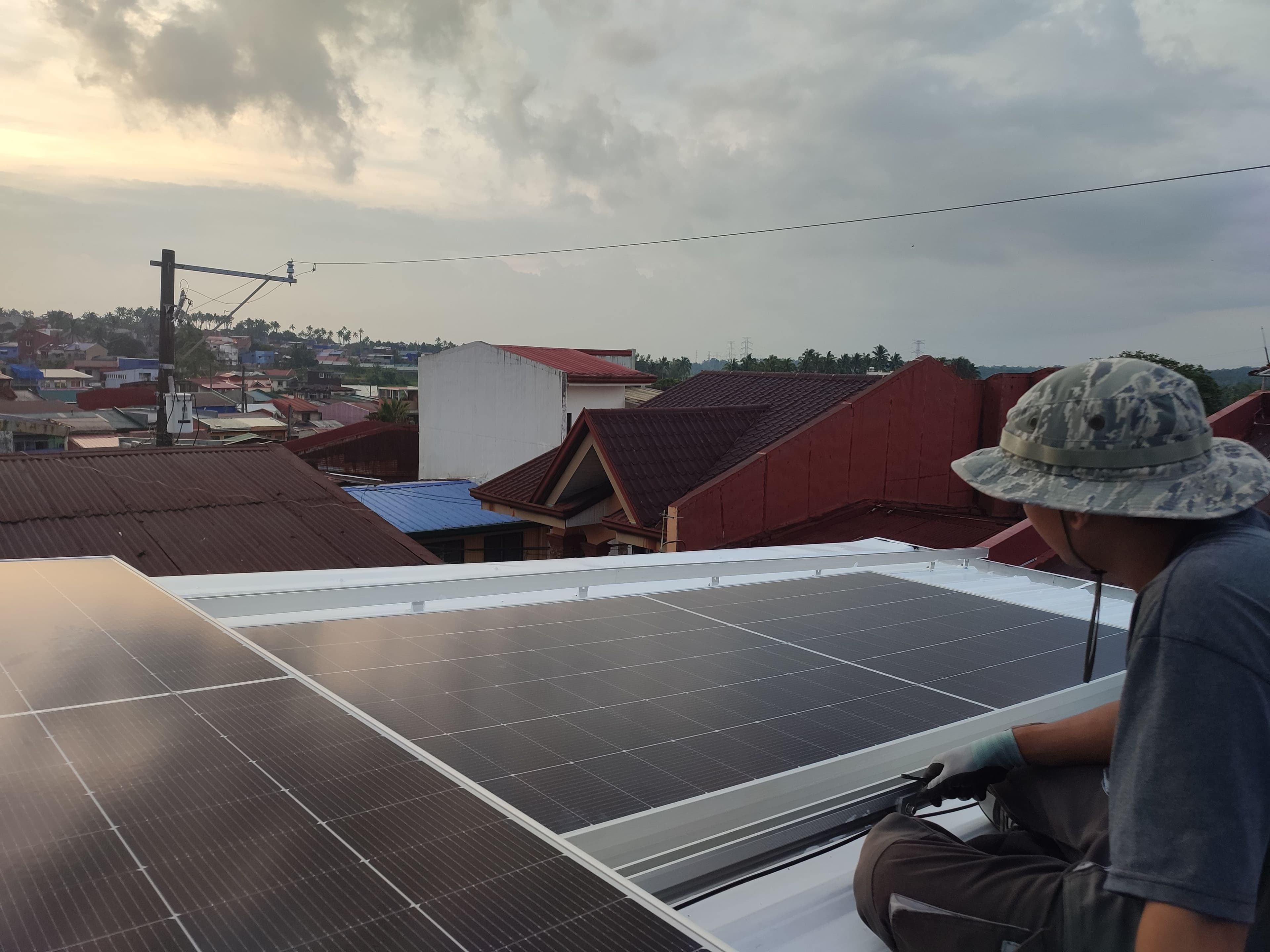
Your electricity bill arrives. You look at it. You put it face-down on the table and pretend you didn't see it.
Sound familiar? Going Solar?
If you're a homeowner in the Philippines, you already know the pain. We have some of the highest electricity rates in Southeast Asia and with the summer heat doing its absolute worst, those bills aren't getting any friendlier. According to the International Renewable Energy Agency (IRENA), the Philippines also ranks among the highest in solar irradiance in the region, making it one of the most ideal places in Asia to go solar. That's why more and more Filipino families are seriously looking at solar energy as a long-term solution.
But here's the thing: going solar is a big decision, and the internet is full of information that's either too technical, too vague, or written for a completely different country. So we put this guide together specifically for you, the Filipino homeowner who wants straight answers before spending a single peso.
Let's break it down.
1. How Solar Energy Actually Works (Without the Science Class)
At its simplest: solar panels on your roof capture sunlight and convert it into electricity your home can use. Anything you don't use gets stored in a battery (if you have one) or fed back to the grid.
There are two main system types:
- Grid-tied system - connected to the utility grid (like Meralco or your local electric cooperative). No battery needed. During the day, you run mostly on solar. At night, you draw from the grid. This is the most common and most affordable setup.
- Hybrid system - grid-tied plus a battery bank. You store excess solar power for nighttime or brownouts. More upfront cost, but more energy independence.
For most homeowners, a grid-tied system is the sweet spot; it brings down your bill significantly without the premium cost of batteries.
2. Will Going Solar Actually Save You Money in the Philippines?
Short answer: Yes, but the timeline depends on your current bill.
If you're spending ₱5,000–₱10,000/month or more on electricity, solar is one of the smartest financial moves you can make. Most residential solar systems in the Philippines pay for themselves in 5 to 8 years, then continue generating power (and savings) for 20–25 years after that.
Think of it this way: you're essentially pre-paying decades of electricity at today's prices. Meanwhile, utility rates tend to go up not down.
The more electricity you consume, the faster your payback period.
3. What is Net Metering? and Why Do You Want It?
Here's where it gets interesting. Under the Philippines' Net Metering Program (governed by the Energy Regulatory Commission), qualifying solar system owners can sell their excess electricity back to the grid — and have it credited against their bill.
So during peak solar hours when your system is producing more than you're consuming, that extra energy doesn't go to waste. It goes to the grid, and your electric cooperative credits you for it.
To qualify, your system generally needs to be:
- 100 kWp or less in capacity
- Connected to your distribution utility's grid
- Certified and installed by an accredited contractor
Net metering essentially turns your roof into a small power plant. Not bad for something you just… own.
4. How Much Does a Solar System Cost in the Philippines?
This is the question everyone really wants answered. Here's a realistic range for residential systems:
System Size: 3–5 kWp
Typical Home Usage: ₱3,000–₱5,000/month bill
Estimated Cost: ₱250,000–₱450,000
System Size: 5–10 kWp
Typical Home Usage: ₱5,000–₱10,000/month bill
Estimated Cost: ₱400,000–₱800,000
System Size: 10–20 kWp
Typical Home Usage: ₱10,000+/month bill
Estimated Cost: ₱800,000–₱1,500,000+
Note: Prices vary based on panel brand, inverter type, roof structure, location, and installation complexity. For a more detailed breakdown of what goes into these numbers, read our full guide on solar panel installation costs in the Philippines for 2026.
Yes, it's a significant upfront investment. But most solar providers including us offer flexible financing options that let you start saving on electricity before you even finish paying off the system. In many cases, monthly loan payments are lower than what you were paying on your electric bill.
5. Is Your Roof Solar-Ready?
Before anything else, your roof matters. Here's what installers look at:
Orientation - south-facing or west-facing roofs generally get the most sunlight in the Philippines.
Space - a 5 kWp system typically needs around 25–30 square meters of unshaded roof space.
Structural integrity - the roof needs to be strong enough to hold the panels (usually 12–15 kg per panel). Old or damaged roofing may need reinforcement or replacement first.
Shade - nearby trees, water tanks, or neighboring structures casting shade on your roof will reduce system performance. This is something a proper site assessment will flag.
Don't worry if you're not sure about any of these, that's what a site visit is for. A good installer will assess your roof and tell you honestly what's feasible.
6. The Installation Process: What to Expect
Going solar in the Philippines involves a few key steps:
- Site assessment - a qualified engineer visits your property, measures your roof, checks your energy consumption, and designs a system that fits your actual needs.
- Proposal and contract - you receive a detailed proposal with system specs, projected savings, and timeline.
- Permitting - depending on your local government and distribution utility, permits may be required. Your installer usually handles this.
- Installation - physical installation typically takes 1–3 days for a standard residential system.
- Grid connection and inspection - your system is inspected and connected to the grid. If you're applying for net metering, this step includes the application to your utility.
- Monitoring setup - most modern systems include an app so you can track your solar production and energy savings in real time.
From contract signing to full operation, expect the process to take 2–6 weeks depending on permitting timelines in your area.
7. Questions to Ask Before Choosing a Solar Provider
Not all solar installers are created equal. Before you sign anything, ask:
- Are you accredited by the Department of Energy (DOE)?
- What brand of panels and inverters do you use, and what's the warranty?
- Do you handle the net metering application, or is that on me?
- What after-sales support do you provide?
- Can you give me references from past residential clients?
A trustworthy installer will answer these confidently and without hedging. If you get vague answers or pressure to decide quickly that's your cue to walk away.
You Don't Have to Figure This Out Alone
Going solar is one of the best long-term decisions a Filipino homeowner can make for your wallet, your household's energy security, and yes, the environment too. But it's also a decision worth making carefully, with complete information.
At Aibishter Engineering Services, we've been helping homeowners in Quezon Province and beyond make the switch to solar with confidence. We don't just sell systems, we size them properly, install them cleanly, handle the paperwork, and make sure you actually understand what you're getting.
Ready to find out how much you could save? Book a free site assessment today. No pressure, no jargon, just honest numbers and expert advice.
📍 Serving Lucena City, Quezon Province, and nearby areas 📞 +63 (917)-189-8089 🌐 https://aibishter.com/
Aibishter Engineering Services - Solar solutions for homes, businesses, and farms across the Philippines.
Disclaimer: The information in this article is for general educational purposes only. Costs, savings, and timelines may vary based on location, system size, and individual circumstances. For accurate assessments specific to your property, consult a qualified solar installation professional.