Top Benefits of Solar Energy in the Philippines You Should Know
Discover the top benefits of solar energy in the Philippines in 2026 cut MERALCO bills, earn through net metering, and invest in a cleaner future.
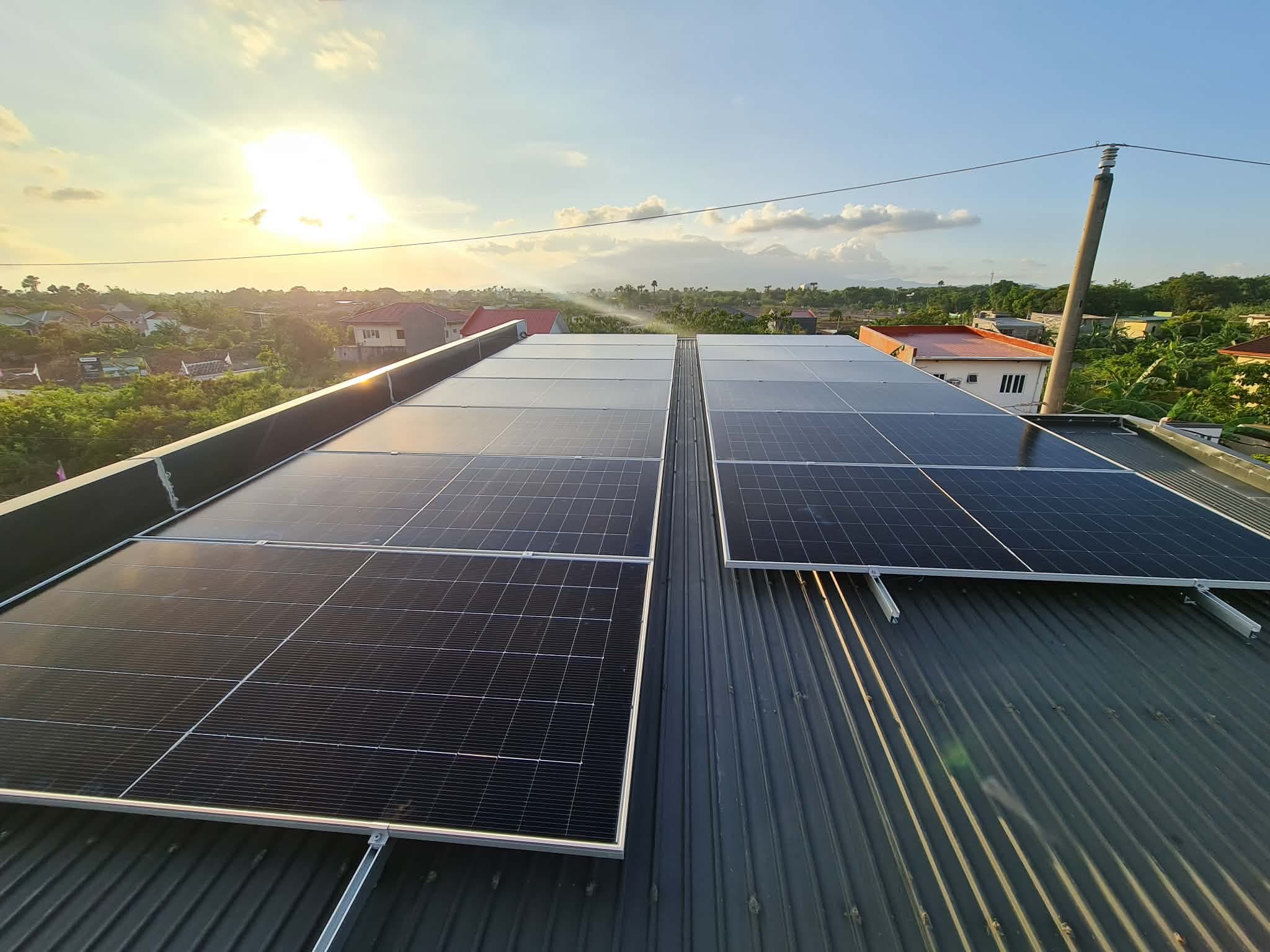
Solar energy in the Philippines is no longer just a trend, it's one of the most practical and cost-effective decisions a Filipino homeowner or business owner can make in 2026. With electricity rates among the highest in Southeast Asia and one of the strongest solar resources in the world, the Philippines is uniquely positioned to benefit from the shift to solar power.
The country receives an average of 4.5 to 5.5 peak sun hours per day, making every region from Luzon to Visayas to Mindanao highly viable for solar panel installation. Whether you're paying MERALCO rates in Metro Manila or sourcing power from a local distribution utility in the provinces, solar energy offers a clear path to lower bills, energy independence, and a cleaner environment.
Here's how it works: When sunlight strikes a solar panel, photovoltaic (PV) cells convert it into direct current (DC) electricity. An inverter then transforms it into alternating current (AC), which powers your appliances and devices. Any surplus power can even be fed back to the grid through the Philippines' Net Metering Program earning you credits on your electric bill.
Understanding solar energy is the first step toward making a smarter, more sustainable choice for your home and your community.
The Solar Energy Benefits for Filipino Households
Electricity costs in the Philippines continue to rise. According to the Department of Energy Philippines (DOE), residential electricity rates have remained among the highest in ASEAN, with MERALCO consumers paying upward of ₱12 to ₱14 per kWh. Solar energy directly addresses this challenge and the benefits go far beyond your monthly bill.
Why Solar Energy is a Game-Changer for the Philippines
As a renewable power source with no fuel costs, solar energy offers long-term benefits without depleting natural resources or adding to the country's energy import burden. Here's why solar is gaining fast momentum across the archipelago:
- 100% Renewable – The sun is free, inexhaustible, and shines reliably across all Philippine regions year-round.
- Zero Carbon Emissions – Solar panels generate electricity without releasing greenhouse gases, helping the Philippines meet its climate commitments under the Paris Agreement.
- No Drilling or Mining – Unlike coal or fossil fuels, solar power requires no resource extraction, protecting local ecosystems and coastal areas.
- Minimal Water Usage – Traditional power plants consume massive amounts of water. Solar panels operate with virtually none, a critical advantage during dry season and El Niño periods.
The Philippines is one of the most climate-vulnerable nations in the world. Choosing solar isn't just financially smart it's an act of environmental responsibility for future generations.
Reduce Your MERALCO or Electric Bill with Solar Energy
High electricity costs are one of the biggest pain points for Filipino households and small businesses. Solar energy directly solves this. A properly sized solar system can slash your monthly bill by 50% to 90%, depending on your consumption, roof area, and system size.
How Solar Energy Saves You Money in the Philippines
- Generate Your Own Power – Solar panels convert sunlight into electricity, reducing how many kilowatt-hours you draw from the grid and from your company's monthly billing.
- Earn Credits Through Net Metering – Under the Energy Regulatory Commission's Net Metering Program, you can export surplus electricity back to your distribution utility and receive bill credits. This is available to MERALCO customers and most local utilities nationwide.
- No Full System Required to Start Saving – Solar-powered lights, water heaters, and small appliances are affordable entry points that cut consumption immediately.
- Long-Term ROI – A typical residential solar system in the Philippines pays for itself in 5 to 7 years, then generates free electricity for the remaining 15 to 20 years of its lifespan.
With the cost of solar panels dropping by over 80% in the last decade and installation costs continuing to fall, 2026 is one of the best times to invest in solar in the Philippines.
How Solar Panels Can Boost Your Home's Value in the Philippines
Considering solar panel installation? Beyond monthly savings, a solar-equipped property commands a higher resale price. As more Filipino buyers prioritize energy-efficient homes, solar panels are becoming a sought-after feature in real estate listings across Metro Manila, Cebu, Davao, and other key markets.
Why Do Solar Panels Increase Home Value in the Philippines?
- Higher Resale Appeal – Homes with solar systems stand out in a competitive market, particularly among buyers tired of high utility bills.
- Lower Operational Costs – Reduced electricity bills translate directly to lower cost of living a compelling selling point for buyers and renters alike.
- Net Metering as an Asset – A registered net metering connection adds tangible, revenue-generating value to the property.
- Government-Backed Incentives – Under the Renewable Energy Act of 2008 (RA 9513), solar installations for residential use are eligible for VAT exemptions and duty-free importation of solar equipment, reducing upfront costs.
- Low Maintenance – With no moving parts and a lifespan of 25+ years, solar panels are a passive, low-risk asset on any property.
As sustainable living becomes a stronger priority for Filipino homebuyers, solar-powered properties are increasingly seen as a premium investment rather than a luxury add-on.
Why Solar Panels Are a Smart, Low-Maintenance Investment
Easy to Maintain, Easier to Love
Solar panels are one of the few home investments that genuinely deliver on "set it and forget it." With no moving parts, there's nothing to break or wear out. In the Philippine context, occasional rinsing during the dry season to remove dust, bird droppings, or fallen leaves is typically all that's needed. Many installers also offer annual maintenance packages for full peace of mind.
Built to Withstand Philippine Conditions
Here's what matters most locally: solar panels are built to last. Quality panels from reputable brands are rated to withstand wind speeds of up to 200 km/h meeting or exceeding the standards needed for typhoon-prone areas. Most come with a 25-year performance warranty and are engineered to handle heat, humidity, and heavy rainfall conditions the Philippines has in abundance.
When you factor in the durability, low maintenance demands, and the consistent solar resource across the archipelago, the long-term return on a solar installation is among the strongest of any home improvement you can make.
Solar Energy Works Exceptionally Well in the Philippine Climate
The Philippines is One of the Best Places in the World for Solar
The Philippines sits between 5° and 21° North latitude squarely in the tropical solar belt. According to the International Renewable Energy Agency (IRENA), the Philippines has one of the highest solar irradiance levels in Asia, averaging 4.5 to 5.5 kWh/m²/day across all regions.
This means Filipino solar panel owners generate more electricity per panel compared to many countries in Europe or North America that have significantly lower sun exposure.
How Local Weather Affects Solar Performance
- Sunny dry season (November–April) – Peak solar production. Panels generate at or near rated capacity.
- Wet season (May–October) – Partly cloudy days reduce output somewhat, but panels continue generating electricity even under overcast skies, as they respond to diffuse light, not just direct sunlight.
- Typhoons – Short-duration events. Modern panels certified to IEC 61215 standards are tested for high wind and impact resistance. Most quality installations recover full output immediately after a storm passes.
Solar is Reliable Across All Philippine Regions
Whether you're in Batangas, Iloilo, Cagayan de Oro, or Palawan, your location receives sufficient solar irradiance to make a rooftop system viable and financially rewarding. The resource doesn't run out, doesn't get imported, and doesn't fluctuate with global fuel prices. That's an energy foundation worth investing in.
The Environmental Benefits of Solar Energy in the Philippines
Reducing Carbon Footprint: The Philippines' Climate Responsibility
The Philippines is ranked among the top 10 most climate-vulnerable nations in the world by multiple global indices. Typhoons are intensifying, sea levels are rising, and dry seasons are becoming more severe. The irony is that the country contributes relatively little to global emissions yet bears enormous consequences.
Choosing solar energy is one of the most direct ways Filipino households and businesses can reduce their personal carbon footprint. The Philippine power grid still relies heavily on coal, meaning every kilowatt-hour you generate from your rooftop solar system directly displaces coal-fired generation. According to the DOE, transitioning to renewables is a central pillar of the Philippines' updated Nationally Determined Contribution (NDC) target to reduce greenhouse gas emissions by 75% by 2030.
Preserving Natural Resources and Ecosystems
The Philippines is one of the world's biodiversity hotspots home to thousands of endemic species in forests, coral reefs, and coastal ecosystems that are threatened by fossil fuel extraction and the pollution it produces. Solar energy requires no mining of local resources, no burning of fuels, and no discharge into waterways. Rooftop systems, in particular, use existing structures without disturbing any land or habitat.
Combating Air Pollution Across Philippine Cities
Metro Manila, Cebu, and other urban centers regularly face air quality challenges tied to vehicle emissions and coal power. Solar energy reduces demand on coal plants, directly cutting the sulfur dioxide (SO₂) and nitrogen oxides (NOₓ) that contribute to smog and respiratory illness conditions that disproportionately affect low-income communities near industrial zones.
Supporting a Sustainable Future for Filipino Communities
Every solar panel installed in the Philippines is a step toward a more energy-secure, self-reliant community. Rural electrification through off-grid solar systems is already transforming remote barangays across Mindanao, the Visayas, and Palawan bringing reliable power to households that the grid has never reached. Solar isn't just an urban upgrade; it's a nationwide equalizer.
Future Trends in Solar Energy in the Philippines (2026 and Beyond)
The Philippine solar industry is accelerating. The DOE's Philippine Energy Plan targets 35% renewable energy share in the power mix by 2030, with solar playing a leading role. Here are the key trends shaping the sector right now.
Falling System Costs and Faster Payback Periods
Solar panel prices in the Philippines have dropped dramatically. In 2026, a standard 5 kWp residential system typically costs between ₱250,000 and ₱350,000 fully installed with payback periods of 5 to 7 years and 20+ years of free electricity after that. Financing options, including zero-interest installment plans and solar loans from major Philippine banks, are making systems more accessible than ever.
Battery Storage: Energy Independence Around the Clock
Battery storage systems particularly lithium-ion home batteries are increasingly paired with Philippine solar installations. These allow homeowners to store surplus daytime generation and use it at night, reducing grid dependence to near zero. As battery costs continue to fall, full energy independence is becoming a realistic goal for Filipino households within the decade.
Solar-Integrated Roofing and Building Materials
Solar roof tiles and solar-integrated building materials are entering the Philippine market, offering aesthetics-conscious homeowners a sleek alternative to traditional panel arrays. These products perform comparably to standard panels while blending seamlessly into modern Filipino home architecture.
Expansion of Net Metering and GEOP
The Green Energy Option Program (GEOP), administered by the DOE, allows larger electricity consumers to procure power directly from renewable energy sources. Combined with expanding net metering access across more distribution utilities nationwide, 2026 is a strong year for solar policy in the Philippines.
Conclusion
For Filipino homeowners and businesses, solar energy in 2026 is not a question of if it's a question of when. With some of the highest electricity rates in Southeast Asia, one of the best solar resources in the world, strong government support through net metering and the Renewable Energy Act, and dramatically falling installation costs, the case for solar in the Philippines has never been stronger.
Beyond the financial returns, choosing solar means taking a stand for the environment, for energy independence, and for future generations of Filipinos who will inherit the consequences of today's energy decisions. The future of solar is brighter than ever and the Philippines is perfectly positioned to lead the way. Make the switch today.
FAQs
How much can solar energy reduce my electricity bill in the Philippines? A properly sized rooftop solar system can reduce your MERALCO or utility bill by 50% to 90%, depending on your consumption and system capacity. Through net metering, surplus energy earns you bill credits.
Is solar energy worth it in the Philippines? Yes. With high electricity rates, abundant sunlight (4.5–5.5 peak sun hours daily), and a payback period of 5–7 years, solar is one of the best returns on investment available to Filipino homeowners in 2026.
Does net metering apply to all areas in the Philippines? Net metering is available to customers of MERALCO and most major distribution utilities nationwide. The ERC governs the program and sets the terms. Check with your local utility to confirm availability and current buy-back rates.
Are solar panels durable enough for Philippine typhoons? Yes. Quality panels certified to IEC 61215 standards are rated to withstand wind speeds of 200 km/h or more. Proper mounting by a licensed installer ensures the system is designed for local weather conditions.
What government incentives are available for solar in the Philippines? Under the Renewable Energy Act (RA 9513), residential solar equipment is eligible for VAT exemptions and duty-free importation. The DOE and ERC also support net metering and the Green Energy Option Program (GEOP) for larger consumers.
Disclaimer
The electricity rates, system prices, savings, and payback periods in this article are estimates based on prevailing Philippine market conditions as of 2026 and are provided for general informational purposes only. They are not a quotation. Actual costs and returns vary with system size, roof conditions, location, shading, equipment specifications, installer, financing terms, your distribution utility's tariff, and the incentive programs in effect at the time of purchase. Utility rates change periodically without notice. For an accurate, site-specific assessment, consult a DOE-accredited solar installer or licensed electrical professional, and verify current net metering and incentive policies with the Department of Energy (DOE) and the Energy Regulatory Commission (ERC).